What Is the CBAM or Carbon Border Adjustment Mechanism and Who It Applies To
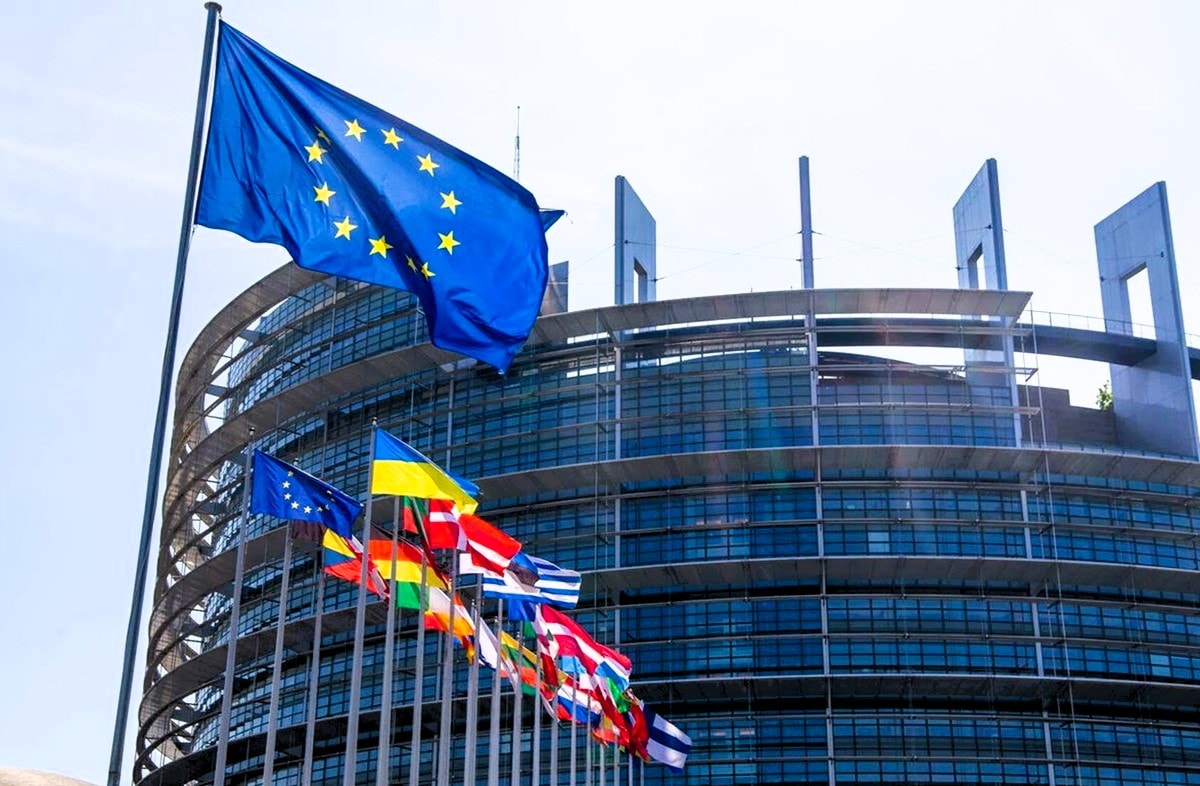
The CBAM (Carbon Border Adjustment Mechanism) is a new instrument introduced by the European Union to reduce carbon emissions associated with imports and to ensure fair competitive conditions between European and international producers.
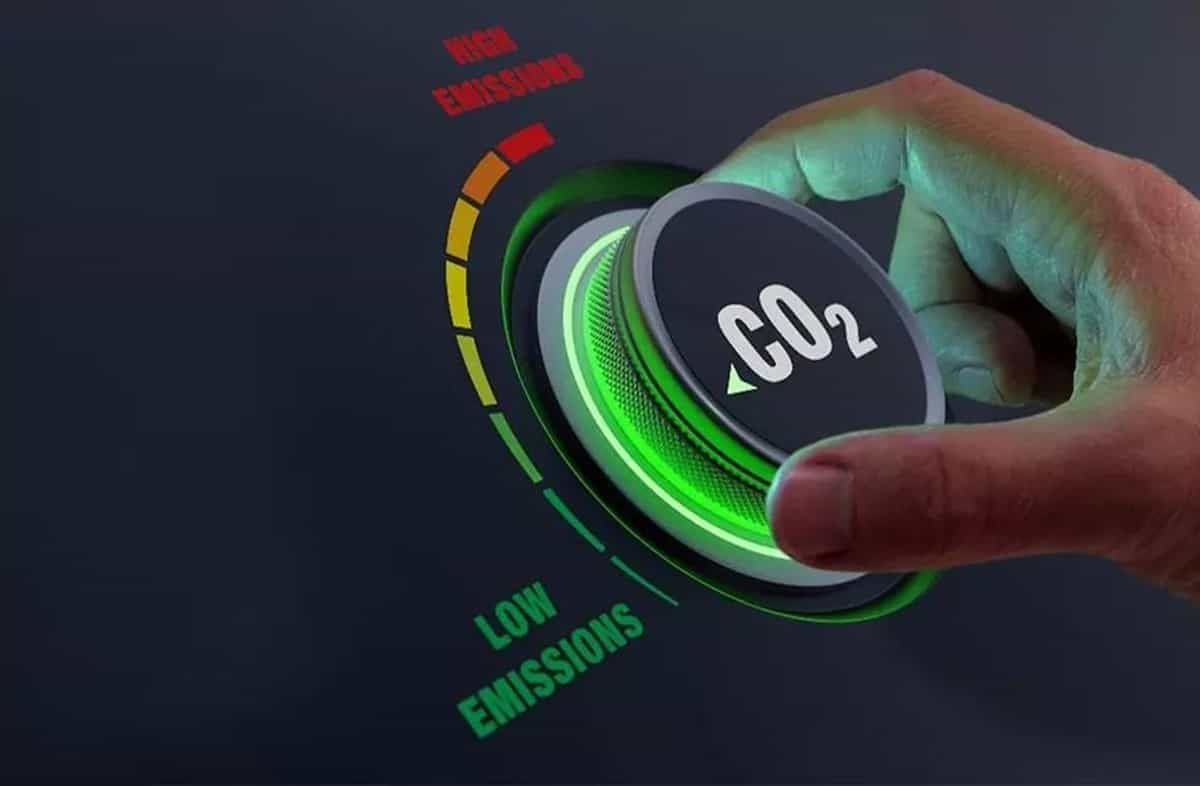
Its purpose is to prevent carbon leakage — the relocation of production to countries with less stringent environmental regulations— and to ensure that imported goods reflect the climate impact generated during their production.
The implementation of the CBAM Regulation has followed a gradual approach.
From 1 October 2023 to 31 December 2025, a transitional phase was in place, during which importers were required only to submit quarterly CBAM declarations on the carbon emissions related to their imports, with no obligation to purchase CBAM certificates.
This period proved essential for data collection, testing procedures, and preparing companies for the full application of the Carbon Border Adjustment Mechanism.
CBAM applies to companies importing into the European Union goods belonging to specific sectors characterised by high CO₂ emissions. The sectors currently covered by CBAM are:
- iron and steel;
- cement;
- fertilisers;
- aluminium;
- electricity;
These sectors involve energy-intensive production processes and have a significant carbon footprint. The EU has therefore included them in the initial phase of the mechanism, focusing on supply chains with higher emission exposure and strategic relevance for the European market.
Who the CBAM applies to
CBAM applies to companies importing into the EU goods falling within the sectors subject to the CBAM Regulation. With the latest update, Regulation (EU) 2025/2083 of 8 October 2025 (amending the Regulation 2023/956) introduced several clarifications and simplifications:
- Companies importing less than 50 tonnes per year of CBAM-covered goods are not required to submit a CBAM declaration;
- The purchase of CBAM certificates planned for 2026 may take place starting from February 2027, in relation to declarations to be submitted by September 2027;
- The operator must be an authorized CBAM declarant. However, a derogation allows the submission of the authorization application until 31 March 2026.
These updates clearly define obligation thresholds and operational timelines. However, many practical aspects remain uncertain, such as the actual cost of CBAM certificates and their impact on the prices of imported goods. For this reason, importing companies must carefully organize the collection and verification of carbon emission data related to their import orders, in order to be fully prepared for the application of CBAM and to mitigate commercial risks in a currently unstable European market.

What Are the Operational Changes as of 1 January 2026 for Imports of CBAM-Covered Goods?
Although the deadline for submitting the authorization application has been extended to 31 March 2026, from the 1st of January 2026 it is mandatory to have one’s position regularized in order to proceed with definitive customs import operations for goods subject to CBAM.
All importers are required to formally declare their status, which will be reported on the import customs declaration under the following Y-codes:
- Y128 – Authorized CBAM declarant status obtained;
- Y238 – Application submitted to the competent authority;
- Y137 – Eligibility under the de minimis exemption, as the total net mass of all CBAM goods imported during 2026 does not cumulatively exceed the single mass-based threshold currently set at 50 tonnes.
Alternatively, three less common cases apply:
- Y134 – Applicable to goods originating from Büsingen, Heligoland, or Livigno;
- Y135 – Applicable to goods intended to be transported or used for military activities;
- Y237 – Applicable to goods of EU origin.
Customs operations become more complex when the importer is not established within the European Union and operates solely through fiscal representation. In such cases, it is mandatory to appoint a customs broker acting under indirect customs representation.

How Zaninoni Can Support You
The introduction of CBAM and the related regulatory updates represent a significant challenge for companies importing goods subject to the mechanism. Zaninoni provides comprehensive support to manage every aspect of CBAM compliance, from the collection of carbon emission data related to imports to assistance with the preparation of the authorization request.
Services offered include:
- CBAM procedure management: support with the completion of declarations, compliance with deadlines, and adherence to the requirements of the Regulation;
- Tailored consultancy: analysis of company processes, identification of critical areas, and development of strategies to ensure CO₂ emissions compliance;
- Assistance in obtaining authorized CBAM declarant status, including the management of administrative procedures and regulatory derogations.
Partnering with Zaninoni means relying on an experienced advisor capable of guiding your company through an evolving regulatory landscape, reducing risks, operational complexity, and unforeseen costs.
Contact us today to learn how we can support your CBAM compliance and the management of your imports into Europe.